
Cosmetic Dermatology
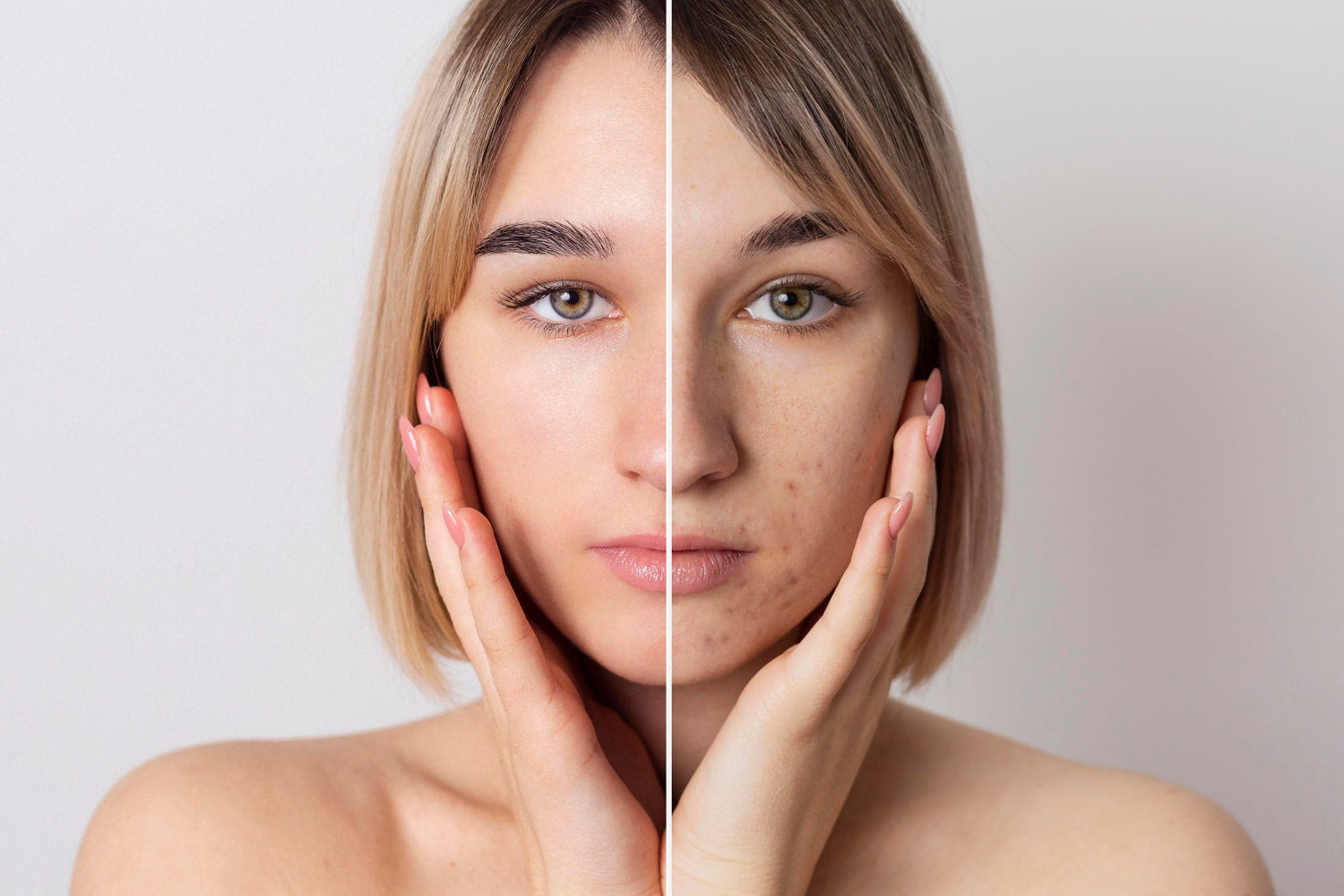
Hyperpigmentation is a common skin condition where certain areas of the skin become darker than the surrounding skin due to excess production of melanin (the natural pigment that gives skin, hair, and eyes their color).
Causes
Sun exposure – UV rays stimulate melanin production, often leading to sunspots or age spots.
Post-inflammatory hyperpigmentation (PIH) – Occurs after skin injuries, acne, burns, or other inflammation.
Hormonal changes – Conditions like melasma, often triggered by pregnancy or birth control.
Medications – Certain drugs (chemotherapy, antibiotics, anti-seizure meds) can cause pigmentation changes.
Medical conditions – Such as Addison’s disease or other endocrine disorders.
Types
Melasma – Patchy, brownish pigmentation, often on the face.
Sunspots (Lentigines) – Caused by prolonged sun exposure.
PIH – Dark marks left after acne, eczema, or injury.
Treatments
Topical treatments
Hydroquinone (prescription skin-lightening agent)
Retinoids (tretinoin, adapalene)
Vitamin C serums (antioxidant, brightening)
Azelaic acid, kojic acid, niacinamide
Procedures
Chemical peels
Microdermabrasion
Laser therapy (like fractional lasers or IPL)
Lifestyle & prevention
Daily sunscreen (SPF 30 or higher) – crucial to prevent worsening
Avoid picking at acne or injuries
Sun-protective clothing and hats